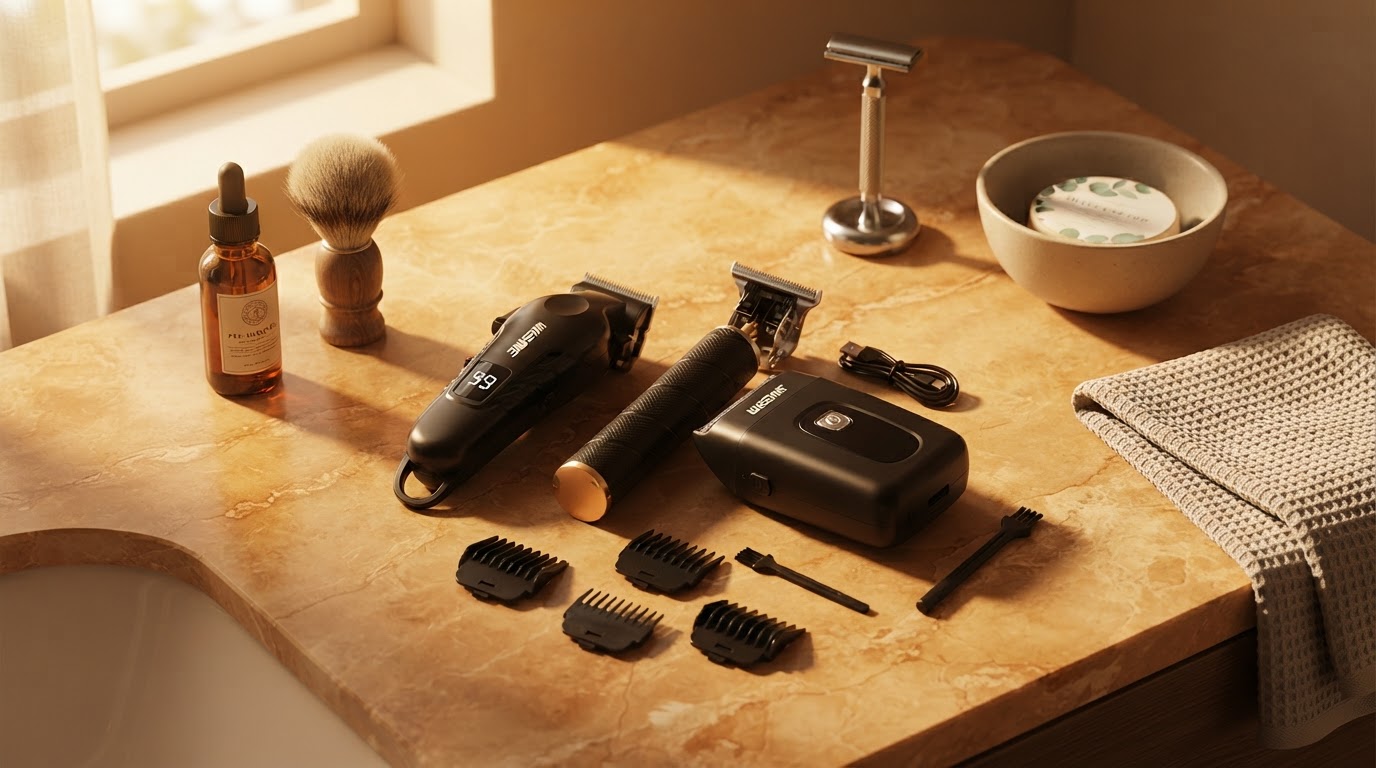
Preventing Ingrown Hairs with Men Electric Shaver Tech
 Maya ChenContributing Editor
September 1, 2026. This analysis evaluates the mechanical efficacy of electric shaving systems in mitigating pseudofolliculitis barbae. It is intended for consumers seeking a technical solution to chronic hair entrapment and skin irritation.
The Mechanical Reality of Hair Entrapment
The conventional wisdom says that a closer shave is a better shave. For those prone to ingrown hairs, this is a physiological fallacy. When a multi-blade manual razor pulls the hair taut and cuts it below the skin line—a process known as the hysteresis effect—the sharpened tip often fails to exit the follicle as it regrows, leading to inflammation. According to Barrister and Mann, many electric shavers are perceived to chew rather than cut hair, which can increase the risk of razor burn if the device is underpowered or the foils are dull. However, the data suggests a more nuanced reality regarding skin entry. Unlike a safety razor that makes direct contact with the epidermis, the foil of a Men Electric Shaver acts as a physical barrier. This barrier ensures the hair is cut at or slightly above the skin level. While this may technically be a "less close" shave by a fraction of a millimeter, it is the specific mechanism required to prevent the hair from curling back into the dermis. Furthermore, understanding how to prevent razor bumps from electric shaver setups requires acknowledging that the friction of a blade often creates micro-tears that trap bacteria, exacerbating the redness associated with ingrowns.
Engineering the Barrier Shave
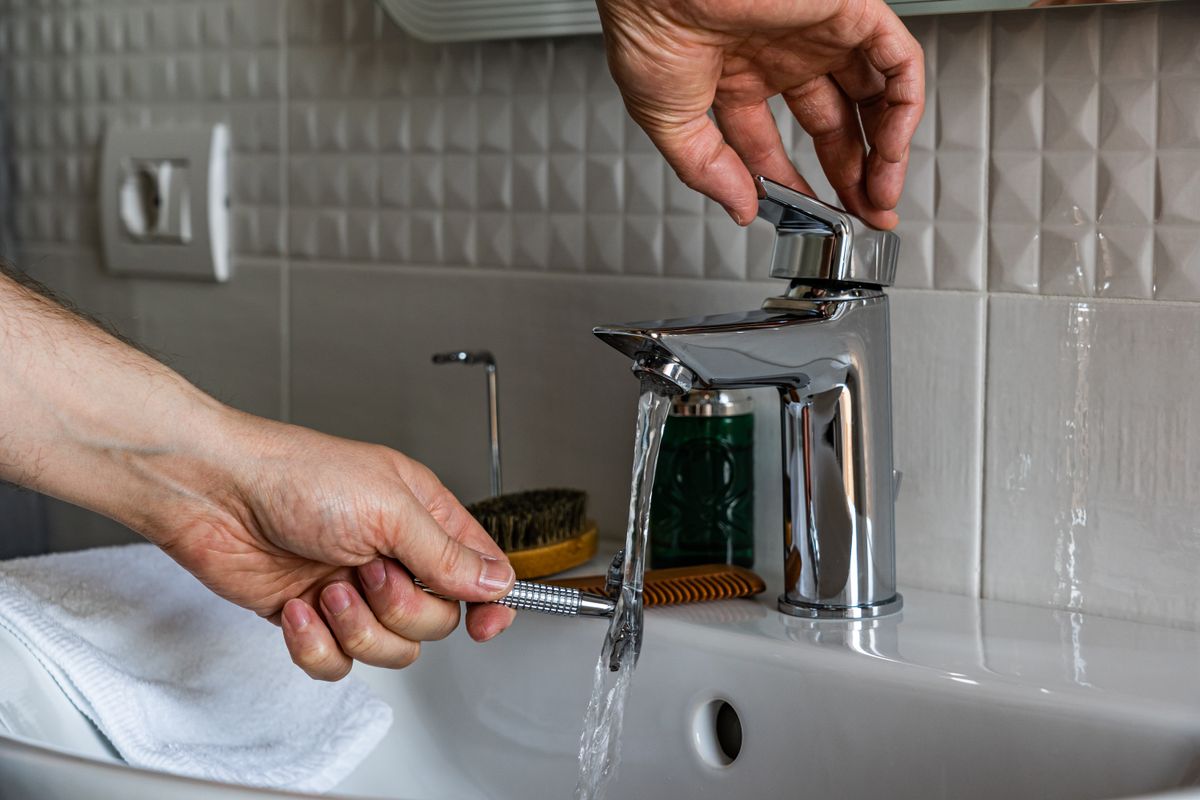
Photo by Castorly Stock on Pexels
Here's the part nobody talks about: the specific geometry of the shaver head dictates the outcome for curly or coarse hair. While some sources, such as GQ, suggest that a rotary electric shaver with a panel head is the optimal choice for capturing multi-directional growth, the technical community at ShaverCheck argues that a high-end foil system like the Braun Series 9 PRO+ is superior for very sensitive skin and ingrown hair prevention. The Men Electric Shaver ecosystem prioritizes this foil-based approach because a foil captures hair through perforations, shielding the skin from the oscillating blades entirely. This is particularly critical when dealing with an electric razor for sensitive skin where the goal is to minimize passes. The math is simple: fewer passes result in less trauma to the follicular opening. When using a painless electric shaver for neck area applications, the integration of wet and dry capabilities allows for the use of pre-shave lubricants, which further reduces the coefficient of friction. The internal motor speeds in modern cordless rechargeable beard trimmer combos—often exceeding 10,000 cycles per minute—ensure that hairs are sheared cleanly rather than tugged, addressing the "chewing" concern raised by critics of older electric technology. Even when shaving pubic hair with electric razor attachments, the stability of the foil head prevents the skin from being pulled into the cutting block, a common cause of the micro-injuries that precede ingrown hairs.
A Framework for Follicular Health
Choosing a device strictly on proximity to the skin is a mistake for the 60% of men who experience some form of shaving-related irritation. The transition from a manual blade to a Men Electric Shaver requires a recalibration of technique and expectations. To effectively prevent ingrown hairs, the hardware must be supported by a specific protocol that respects the skin's recovery cycle. If you are currently suffering from chronic inflammation, I'll change my mind about the necessity of electric systems when manual blade manufacturers can prove a way to cut hair below the skin without the inevitable entrapment that follows for curly-haired phenotypes. Until then, the following technical requirements should guide your selection:
- Prioritize foil systems over rotary if you have highly reactive skin, as foils provide a more consistent physical barrier.
- Verify the motor speed; higher vibrations per minute reduce the likelihood of hair pulling and incomplete shearing.
- Utilize a wet/dry rated device to allow for pore-opening steam or specialized pre-shave oils.
- Replace cutting blocks every 12 to 18 months to ensure the blades remain sharp enough to slice rather than tear.
- Maintain a consistent shaving frequency to prevent hairs from becoming long enough to curl back toward the skin.
Sources

Photo by cottonbro studio on Pexels
- Do Electric Razors Cause Ingrown Hairs? - Barrister and Mann
- The Best Electric Shavers For Sensitive Skin In 2026 • ShaverCheck
- How to Prevent Razor Bumps and Ingrown Hairs While Shaving - GQ