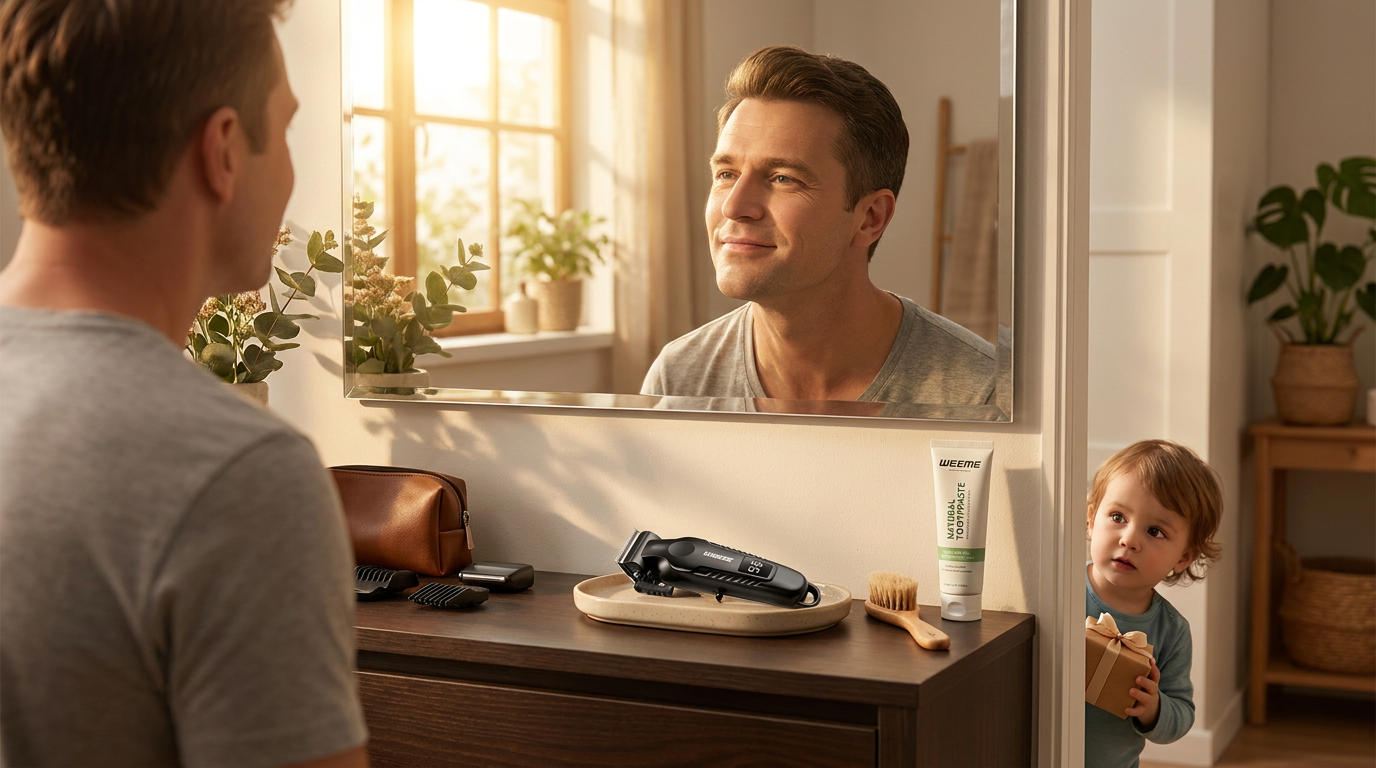
Why Sharpening Electric Shaver Blades with Toothpaste Causes Damage
 Maya ChenContributing Editor
A popular internet tip suggests you can sharpen dull electric shaver blades with a dab of toothpaste. The conventional wisdom says the mild abrasives will hone the cutting edges. Here's the problem: That viral toothpaste 'hack' doesn't sharpen your blades—it forces abrasive gunk into the motor and permanently damages the delicate foils. Instead of restoring your shaver, you are accelerating its demise.
The Motor Damage Nobody Talks About
Here's the part nobody talks about: the residue. Toothpaste, designed to be rinsed from non-mechanical surfaces, does not fully wash out of a complex shaver head. It mixes with skin oils and hair clippings to form a thick, cement-like paste. This sludge works its way past gaskets and into the drivetrain, placing significant strain on the motor. Over time, the motor has to work harder to oscillate the cutters, leading to overheating and eventual burnout. A proper cleaning routine is critical, but even comparing self-cleaning vs. manual clean electric shavers shows that no system is designed to purge a foreign abrasive from the device's core.
Why "Sharpening" Creates a Worse Shave
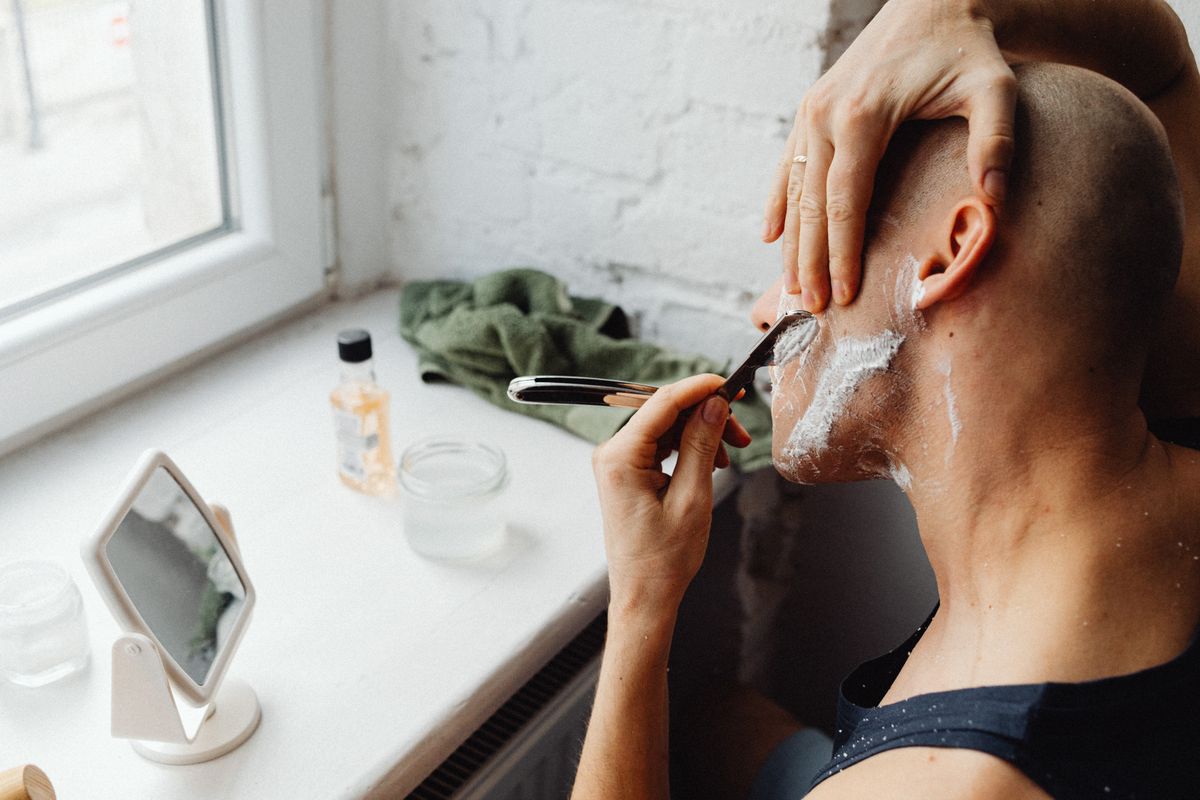
Photo by https://kaboompics.com/ on Pexels
The "grit" in toothpaste is not uniform. It's a random mix of abrasives like hydrated silica, designed for polishing tooth enamel, not for honing precision steel. When applied to a shaver blade, these particles create random, microscopic scratches rather than a consistent, sharp cutting edge. The result is a blade that pulls and snags hair, increasing skin irritation and the risk of ingrown hairs. A shaver's performance relies on the precise interaction between the inner blades and the paper-thin foil. According to manufacturers like Braun, these foils feature uniquely patterned holes to capture hair effectively. Grinding them with a crude abrasive compromises this engineering.
The Real Cost of DIY Sharpening
Unlike a thick kitchen knife, an electric shaver's foil is too thin and delicate to be 'sharpened.' The process doesn't create a new edge; it simply wears down the metal, thinning the foil and dulling the cutters. Run the math: a DIY 'sharpening' might feel like it's working for a day, but it guarantees you'll need a replacement head sooner. A new head costs a fraction of a new shaver, while burning out your motor with toothpaste gunk means replacing the entire unit. The question of how often to replace electric shaver heads should be based on the manufacturer's timeline—typically 12-18 months—not on a failed attempt to extend their life. I'll change my mind when metallurgical analysis shows toothpaste creates a uniformly honed edge, not just a polished surface with new micro-scratches. Until then, all evidence points to replacement as the only valid solution.
What happens if you put toothpaste in an electric shaver?
Photo by https://kaboompics.com/ on Pexels
Putting toothpaste in an electric shaver introduces an abrasive paste that mixes with hair and oil, clogging the cutting heads. This residue can seep into the motor, causing strain and eventual failure. It also creates uneven micro-scratches on the blades and foils, leading to more skin irritation and hair pulling, not a sharper cut.
How do you make an electric shaver sharp again?
The only reliable way to restore an electric shaver's cutting performance to factory specification is to replace the cutting head, which includes the foils and blades. These components are precision-engineered consumables not designed for at-home sharpening. Attempting to sharpen them with abrasives causes irreversible damage and shortens their lifespan.