
Rethinking the Teenager's First Shave: Why Foil Isn't Always the Answer
 Maya ChenContributing Editor
The conventional wisdom says a foil shaver is the safest electric razor for a teenager's first shave. This advice, repeated across countless guides, is based on the assumption that a teen's first facial hair is fine and straight. Here's the part nobody talks about: for a significant number of teens, particularly those with curly or coiled hair, this default choice can trigger chronic skin irritation and ingrown hairs from the very first use.
The core issue is the mechanism. Foil shavers excel at providing a close shave by lifting hair and cutting it just below the skin's surface. This action is the primary cause of Pseudofolliculitis Barbae (PFB), or razor bumps. PFB affects up to 60% of men with curly hair, according to the American Osteopathic College of Dermatology. Forcing a teen prone to this condition into a routine with a close-cutting foil shaver is a direct path to discomfort and can create a negative association with grooming.
A more logical approach prioritizes skin health over absolute smoothness. Instead of a foil shaver, a rotary shaver or an electric trimmer with a guard is a more pragmatic starting point. These tools typically cut hair at the level of the epidermis, not below it. The objective for an electric razor for teenagers first shave should be establishing a comfortable routine, not achieving a perfectly smooth face at the cost of inflammation. The focus must be to prevent razor bumps from an electric shaver, not simply react to them after they appear.
The debate over foil versus rotary distracts from a more critical variable: maintenance. A dull or dirty shaver head will cause irritation regardless of its type. Run the math: the cost of a replacement head is minimal compared to the cost and frustration of dealing with chronic skin problems. Understanding how often to replace electric shaver heads is more impactful than the initial shaver selection. Likewise, the discipline of daily cleaning, whether comparing self-cleaning vs manual clean electric shavers, has a greater effect on long-term skin health.
I'll change my mind when 'first shave' kits are marketed with PFB warnings and adjustable guards as standard, rather than promoting the 'closest shave' as the only measure of success.
Is a foil or rotary shaver better for teenage acne?
Neither type is inherently 'better' for acne. The primary risk is the physical aggravation of blemishes. The correct technique is to shave around active acne, not over it. For widespread acne, a trimmer with a guard that prevents direct skin contact is the most sensible tool to avoid exacerbating breakouts and causing post-inflammatory hyperpigmentation.How close should a teenager's first shave be?
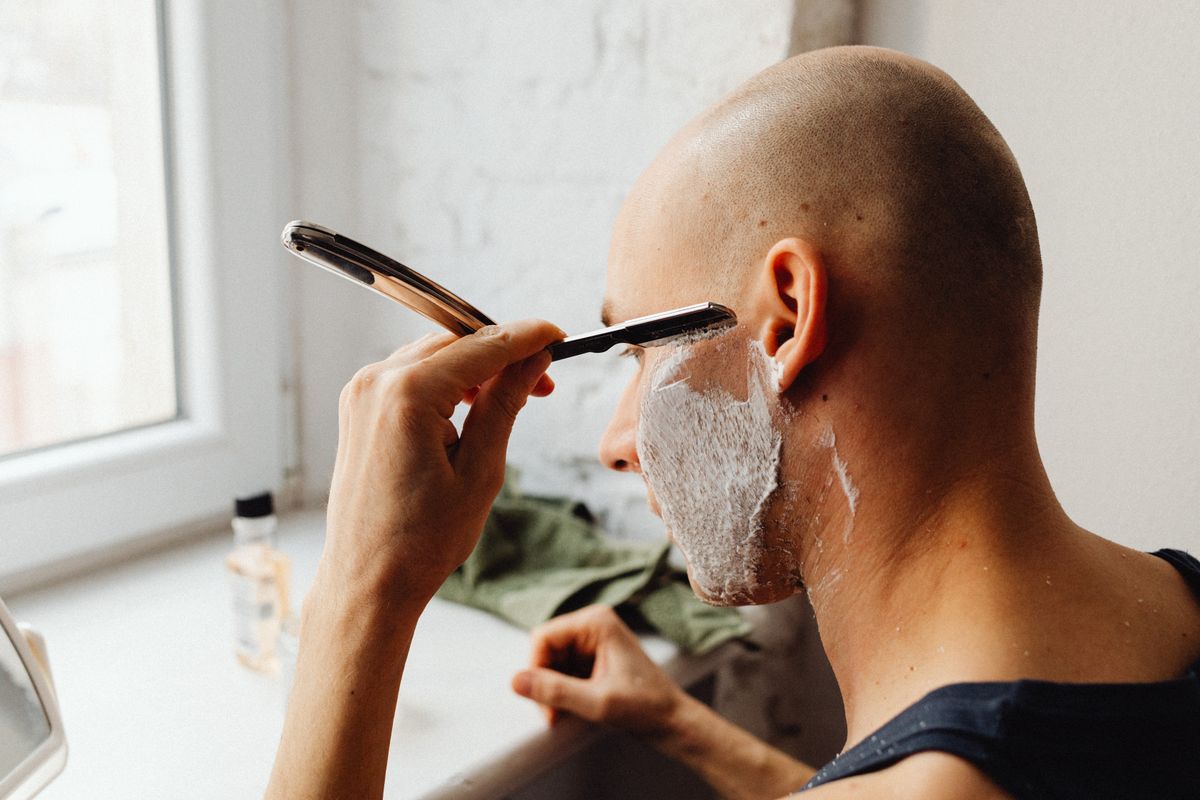
Photo by https://kaboompics.com/ on Pexels
The goal for a first shave should not be perfect smoothness. A visible 'five o'clock shadow' is an acceptable, and often preferable, outcome. This indicates the hair was cut at or just above skin level, drastically reducing the risk of ingrown hairs and irritation. Comfort and consistency are the initial metrics for success, not closeness.