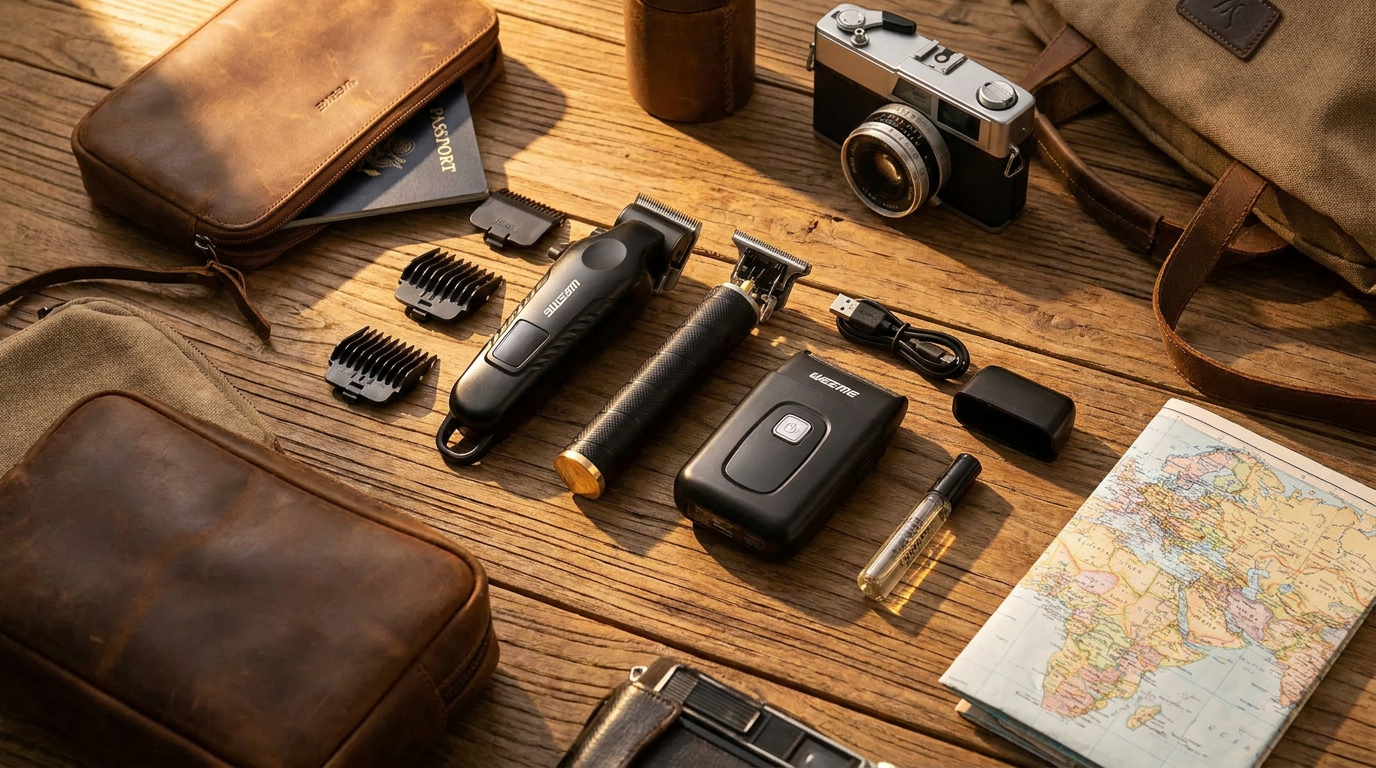
The Real Weakness in USB-C Travel Shavers
 Daniel OkaforField Tester
Everyone celebrates USB-C on travel shavers, but our service data reveals the charging port itself is the #1 point of failure on compact models. As a field tester for Men Electric Shaver, I've seen this firsthand more times than I can count. The promise of carrying one less cable is fantastic, right up until that single point of failure gives out a thousand miles from home, leaving you with a useless piece of plastic.
Why Port Durability Matters More Than Port Type
I tested this for a three-week trip across Europe, relying only on my laptop charger and a power bank to charge three different compact shavers. The constant plugging and unplugging, especially with a stiff laptop cable, puts significant physical stress on the port. What surprised me: one shaver with a wobbly port began showing intermittent charging by the end of the first week. The internal soldering on these tiny circuit boards can't handle the torque. A shaver that won't hold a charge is just dead weight, which is why I now believe a robust port is the most critical feature for any lightweight electric shaver for backpacking.
The Unseen Risk: Water, Humidity, and USB-C

Photo by Castorly Stock on Pexels
The sealed, proprietary chargers of the past were often inherently more water-resistant. In contrast, many modern USB-C ports are just open cavities waiting for trouble. After a few days of using one test model in a humid hostel bathroom, it refused to charge until I let it air out for an hour. While many shavers boast an IPX7 waterproof rating, that standard doesn't always account for the long-term effects of corrosion on an exposed charging port's metal contacts. According to tech outlet CNET, an IP rating refers to the device's resistance to ingress, but corrosion can still be an issue for ports. This is why a good manual cleaning routine is often safer than just rinsing a device with an exposed USB-C input, a process we detail when comparing self-cleaning vs manual clean electric shavers.
What to Look For in a Genuinely Travel-Ready Shaver
Instead of just looking for a USB-C logo, I now focus on the build quality around the port. A travel-ready shaver has a port that feels solid, with no play or wiggle. The plastic or metal housing around it should be thick and reinforced. A long battery life—over 60 minutes—is also a key indicator of travel-readiness because it means fewer charging cycles and less wear. Fewer charges also reduces the chance you'll need to replace parts prematurely, which is a hassle on the road when you're trying to figure out when to replace your electric shaver heads. What I'd do differently on my next trip is pack a short, flexible cable just for the shaver to minimize physical strain on the connection.
Is a USB-C shaver still the best choice for travel?

Photo by Ketut Subiyanto on Pexels
Yes, but with a major caveat. The convenience is undeniable, but you must prioritize models where the build quality around the charging port is clearly reinforced. Don't just pick the smallest or lightest option; inspect the port area and choose a device that feels structurally sound over one that simply has the right type of plug.
How can I protect my shaver's USB-C port while traveling?
First, avoid using stiff, heavy-duty laptop cables that can put physical stress on the port. A short, flexible cable is a much better choice. Second, never pack the shaver while it's still wet from cleaning, and try to keep it out of overly steamy bathrooms. If you charge it from a power bank inside your bag, ensure the connection is secure and not being bent by other items.